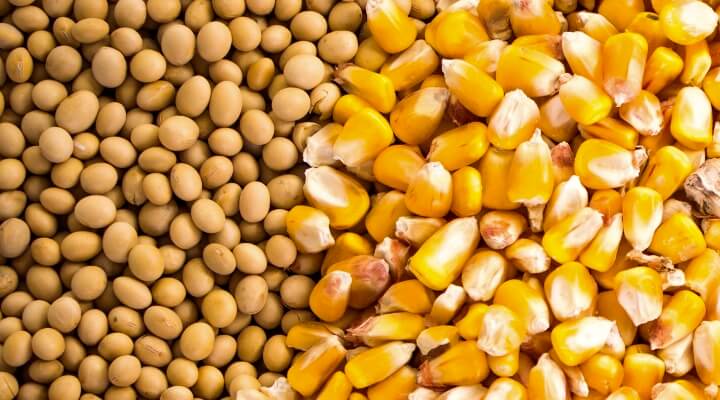
Beans Farming: Cultivating Sustainable Practices
Welcome to ELIM PLUS FARM LTD, your trusted partner in promoting eco-friendly beans farming in Rwanda. Discover the numerous benefits and methods to enhance your farming practices!
Importance of Beans Farming
Beans are a crucial source of protein and essential nutrients for many households in Rwanda. They play a significant role in food security and nutrition, especially in rural areas where they are a staple food. Additionally, beans contribute to soil health, making them an essential crop for sustainable agriculture.
Incorporating beans into your farming practices can improve biodiversity and help combat climate change by promoting sustainable land use and reducing carbon footprints.
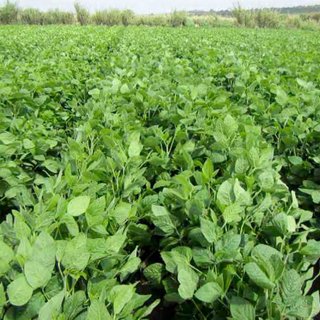
Benefits of Beans Cultivation
- High Nutritional Value: Beans are rich in proteins, dietary fiber, and essential vitamins and minerals, making them an excellent choice for a healthy diet.
- Sustainable Practices: Beans enhance soil fertility through nitrogen fixation, reducing the need for chemical fertilizers and promoting a healthier ecosystem.
- Economic Benefits: Growing beans can be a profitable venture for farmers, with high market demand and relatively low production costs.
- Diverse Varieties: Beans come in various types, allowing for crop rotation and diversity, which can help mitigate pest and disease pressures.
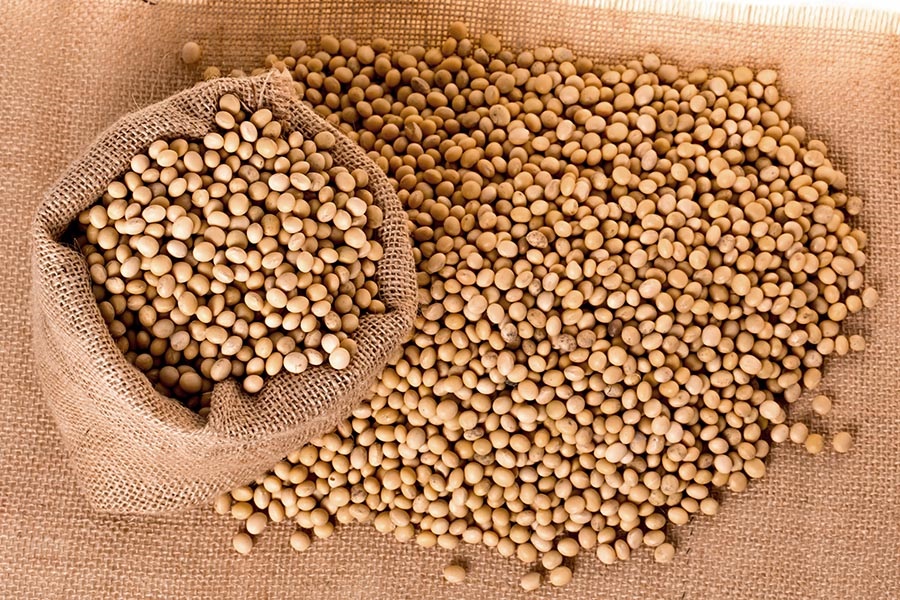
Methods for Successful Beans Farming
At ELIM PLUS FARM LTD, we employ various sustainable methods to ensure the success of our beans farming initiatives:
- Soil Preparation: Proper land preparation is essential for healthy beans growth. We practice techniques like crop rotation and cover cropping to enhance soil structure.
- Seed Selection: Choosing the right seed variety is crucial for maximizing yield and resilience to pests and diseases.
- Irrigation Management: Adequate water supply is vital, especially during dry seasons. We implement efficient irrigation systems to optimize water usage.
- Pest and Disease Control: We utilize integrated pest management (IPM) practices, combining biological, cultural, and chemical control methods to protect our crops.
- Harvesting Techniques: Timely and proper harvesting techniques help maximize yield and quality of beans.
Join Our Beans Farming Initiative
We invite farmers and agricultural enthusiasts to join our beans farming initiative at ELIM PLUS FARM LTD. Together, we can promote sustainable agriculture practices and improve food security in Rwanda.
For more information on how to get involved, contact us at info@elimplusfarm.rw or call +250 788 595 389.